
"disrelish to earn"
143000 article(s) found

Ethiopian boutique coffee beans planting situation, geographical location, climate, altitude
Ethiopian people are addicted to coffee. In 2003, domestic consumption accounted for 42.3% of the total output, with a per capita consumption of 3 kg. But more than half of the coffee produced each year is used for export to earn foreign exchange. The main exporters include the United States, Italy, the United Kingdom, Sweden, Norway, Greece, France, Belgium, Germany and Australia. Before 1974, the right to produce, process and trade coffee

Introduction of Ethiopian Coffee Bean varieties in Ethiopian Coffee Flavor Manor
In Ethiopia, the grading and quality control system of coffee is divided into three levels: producer, regional and national. All coffee is inspected by local inspection agencies before leaving the country of origin, and then re-tested at the coffee inspection and grading centers in Addis and Diredawa to determine its quality grade. Coffee is graded before auction and sale, for all involved in production, acquisition,

The long aftertaste of Ethiopian coffee introduces the characteristics of Ethiopian coffee.
In Ethiopia, the grading and quality control system of coffee is divided into three levels: producer, regional and national. All coffee is inspected by local inspection agencies before leaving the country of origin, and then re-tested at the coffee inspection and grading centers in Addis and Diredawa to determine its quality grade. Coffee is graded before auction and sale, for all involved in production, acquisition,

From coffee shops to convenience stores, convenience store coffee has become a super weapon for the industry to earn 50% a year
Professional barista exchange, please pay attention to coffee workshop (Weixin Official Accounts cafe_style) Recently, convenience store coffee began to become popular in the streets of Beijing, Shanghai and Guangzhou. Today, let's discuss how convenience stores sell coffee. What kind of way to make money? Recently, there has been a sudden trend among Brother Han's colleagues. After lunch every day, colleagues

Treatment method of Grinding degree and Baking degree of Fine Coffee beans in Coffee Manor (Moka) in Ethiopia
Coffee exports Coffee is Ethiopia's most important export cash crop and a major source of Ethiopia's foreign exchange earnings. Ethiopia's coffee exports account for about 3% of the world market and are the world's eighth largest coffee exporter. Coffee exports increased steadily from 58000 tons in 1990-91 to 110000 tons in 1995-96.
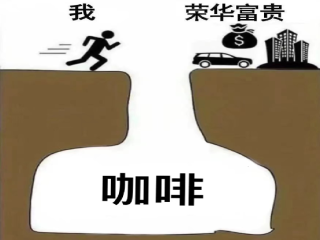
The mobile coffee car earns more than ten thousand dollars a month! Does a low-cost coffee shop smell good?!
As the epidemic gradually improved, people were able to enjoy a cup of coffee outside their homes. If you open the little red book, you can see that there is a lot of sharing in coffee shops, and the number of mobile coffee cars has also increased a lot. There are not only coffee cars converted from non-motor vehicles, but also trunk coffee shops converted from motor vehicles

Introduction to the characteristics of Ethiopian boutique coffee bean flavor and taste manor with suitable acidity
In Ethiopia, the grading and quality control system of coffee is divided into three levels: producer, regional and national. All coffee is inspected by local inspection agencies before leaving the country of origin, and then re-tested at the coffee inspection and grading centers in Addis and Diredawa to determine its quality grade. Coffee is graded before auction and sale, for all involved in production, acquisition,

Introduction to the unique flavor description and taste characteristics of the Yega Shiffiwaka coffee producing area
In Ethiopia, the grading and quality control system of coffee is divided into three levels: producer, regional and national. All coffee is inspected by local inspection agencies before leaving the country of origin, and then re-tested at the coffee inspection and grading centers in Addis and Diredawa to determine its quality grade. Coffee is graded before auction and sale, for all involved in production, acquisition,
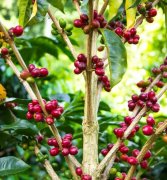
Introduction to Export Information of Coffee planting methods in Ethiopia
Ethiopian coffee can be classified according to the way it is grown and processed. 1. According to the planting mode, coffee can be divided into three types: forest-semi-forest coffee, courtyard coffee and plantation coffee. (1) 60% of the coffee belongs to forest-semi-forest coffee. In such a wild coffee forest, pesticides are not used at all, but biological prescriptions are used.

Introduction to the Price varieties of Coffee beans in Xidamo Shachiso, Ethiopia
The price of coffee beans in Xidamo Chiso, Ethiopia. Washed coffee accounts for 35% of exports. Good quality washed coffee is processed with freshly picked fully ripe fruit, picked carefully and closely monitored by professionals. The picked clean coffee beans are pulped on the day of picking, then fermented, washed, dried and peeled. Processed coffee beans are wet

Ethiopian Sidamo Lion King Coffee Bean Flavor Characteristics Taste Description Ethiopian Brazilian coffee producing region
The coffee flavor of Sidamo is very diverse, different soil types, microclimate and countless native coffee species, creating obvious differences and characteristics of coffee produced in each town. In 2010-2012, it won the high evaluation of 92 to 94 high scores from the American authoritative coffee review website for three consecutive times, which shows that this production area

Ethiopian Coffee Flavor Flavor Manor introduces Ethiopian Coffee varieties
Washed coffee accounts for 35% of exports. Good quality washed coffee is processed with freshly picked fully ripe fruit, picked carefully and closely monitored by professionals. The picked clean coffee beans are pulped on the day of picking, then fermented, washed, dried and peeled. The humidity of processed coffee beans is kept at about 12%. Sun-cured coffee accounts for 65% of exports. Mainly by

Video of grading milking of Ethiopian coffee
In Ethiopia, the grading and quality control system of coffee is divided into three levels: producer, regional and national. All coffee is inspected by local inspection agencies before leaving the country of origin, and then re-tested at the coffee inspection and grading centers in Addis and Diredawa to determine its quality grade. Coffee is graded before auction and sale, for all involved in production,
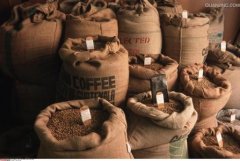
A brief introduction to the treatment method of grinding degree and baking degree of Yega Snow Fine Coffee beans in Ethiopia
Ethiopian people are addicted to coffee. In 2003, domestic consumption accounted for 42.3% of the total output, with a per capita consumption of 3 kg. But more than half of the coffee produced each year is used for export to earn foreign exchange. The main exporters include the United States, Italy, the United Kingdom, Sweden, Norway, Greece, France, Belgium, Germany and Australia. Before 1974, the right to produce, process and trade coffee
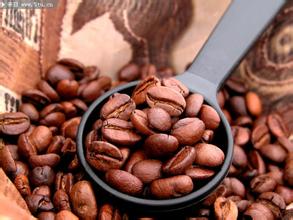
Introduction to the difference between Sidamo Coffee Flavor description and Yega Xuefei
Introduction to the difference between Cedamo Coffee Flavor description and Yega Chuefei Coffee the highest grades of Yirgacheffe and Sidamo are Grade 2 and Grade 3 (G2, G3), while most of the sun-processed coffee in eastern Ethiopia are Grade 4 or Grade 5 (G4, G5). In many cases, level 4 coffee is marked as level 5 in order to reduce taxes
Introduction to the method of describing the Flavor of Solar Yersinia Coffee and the degree of Grinding
There are two main indicators in Essel's coffee grading and quality control system: visual inspection and cup evaluation, including the color, cleanliness, origin, taste and characteristics of coffee beans. The export rating is marked by simple numbers, with the best washed coffee at level 5 and the best sun-cured coffee at level 4. After grading, mark the place of origin and then export. Usually out

Taste of Burundian Coffee Flavor Manor area introduces Burundian boutique coffee beans
After the price of Burundian Arabrica coffee was raised, the purchase price of fresh coffee in Burundi was adjusted from 120 Burundian francs / kg to 200 Burundian francs / kg, which is excellent news for countries where coffee export earnings account for more than 80 per cent of total foreign exchange earnings. Due to the abundance of Rain Water in the coffee growing season and good field management, 2004

Export of Yerqin Coffee from Ethiopia Coffee Manor
In Ethiopia, the grading and quality control system of coffee is divided into three levels: producer, regional and national. All coffee is inspected by local inspection agencies before leaving the country of origin, and then re-tested at the coffee inspection and grading centers in Addis and Diredawa to determine its quality grade. Coffee is graded before auction and sale, for all involved in production, acquisition,

Coffee shop management talk about the cost and expenses of coffee shops
I want to know how much you want to make. The most important thing is to understand how much you want to earn, otherwise it is often a waste of time. Although the turnover is very high, it is earned for others to spend costs... The pre-cost of ingredients... All expenses minus costs gross profit... Money earned-cost net profit... Gross profit-expenses..

Boutique Coffee Association sca Coffee Certificate and sca course content sca barista
Professional coffee knowledge exchange more coffee bean information please follow the coffee workshop (Wechat official account cafe_style) ABOUT SCA The Specialty Coffee Association (SCA) is a nonprofit, membership-based association built on foundations of openness, inclusivity, and the power of shared